

The Larder as an Act of Hospitality
Moorland living teaches you to expect the unexpected visitor. A walk that began in sunshine ends in horizontal rain, and the nearest friendly door belongs to you. Good hospitality at short notice is rarely about cooking something clever. It is about having a shelf, a drawer and a cool corner that can produce a generous plate within twenty minutes of a knock at the door.
Build the larder slowly, in layers, and rotate it as you go. The aim is not hoarding but readiness: ingredients that keep well, taste of the place you live, and can be combined without a recipe. Here is how I stock ours.
The Long-Life Foundations
Start with the cupboard staples that carry a meal on their own. Buy in sensible quantities, decant into screw-top jars, and write the date on the lid so nothing drifts quietly out of date at the back of the shelf.
- Tins and jars: chopped tomatoes, butter beans, chickpeas, sardines, tuna, anchovies in oil, olives, capers, roasted peppers, coconut milk.
- Dry goods: dried pasta in two or three shapes, long-grain and pudding rice, red lentils, pearl barley, porridge oats, plain flour, a bag of cornmeal or polenta for a quick flatbread.
- Flavour: good olive oil, a bottle of neutral oil, red wine vinegar, balsamic, soy sauce, Dijon mustard, honey, stock cubes or powder, dried yeast, a tub of sea salt flakes, black peppercorns.
- Nuts and fruit: walnuts, flaked almonds, raisins, dried apricots, dates. These turn a cheese board into a proper ploughman's and a yoghurt into pudding.
Keep an eye on oils and nuts in a warm kitchen; a cool, dark shelf or a sealed box under the stairs suits them better. Flour benefits from a bay leaf in the jar, and everything benefits from being kept where you can actually see it.
Preserves, Chutneys and the Village Economy
This is where a country larder becomes personal. A jar of damson jam made in September, a chutney that has mellowed since the autumn, a pot of local honey from a hive two fields away — none of it is expensive and all of it says something about where you live.
Buy preserves when you see them: village fêtes, farm shops, honesty boxes at the end of lanes, the WI stall at the market. Keep a small stock — three or four jams, two chutneys, a piccalilli, marmalade, lemon curd — and never let the open jar be the only one left.
A platter assembled from these takes five minutes: oatcakes and crackers, a wedge of Cheddar or Wensleydale, a spoonful of chutney, a few cornichons, sliced apple, a handful of walnuts. Add a pot of mustard and a dish of butter and it looks like a deliberate welcome rather than an apology. If you keep nothing else, keep crackers and chutney. They have rescued more surprise guests than any dinner party.
The Baking Shelf
Scones are the great shortcut of rural hospitality, and they need only what most kitchens already hold. Keep self-raising flour, plain flour, baking powder, bicarbonate of soda, caster sugar, soft brown sugar, vanilla extract, cocoa powder, a block of butter in the freezer and a bag of sultanas.
From cold, you can have a tray of cheese scones or fruit scones on the table in half an hour. Rub cold grated butter into 350g of self-raising flour with a teaspoon of baking powder and a pinch of salt, add a handful of grated mature cheese or sultanas, bind with about 180ml of milk (or milk soured with a squeeze of lemon), pat out, cut, and bake at 200°C for twelve to fifteen minutes. The same shelf makes a plain sponge, a fruit crumble topping, drop pancakes and a treacle-free gingerbread if you keep ground ginger.
Keep the ingredients together in one place, ideally beside a small set of scales and a jug. A baking shelf you have to think about is a baking shelf you will not use when the doorbell goes.
The Cold Larder and the Freezer Drawer
Your fridge and freezer are part of the larder, and on a moor they matter more than most. Power cuts happen; so do long journeys home in bad weather. Keep a pack of ice cubes and a couple of freezer blocks ready, and try not to open the door while you wait for the electricity to return.
- Fridge: block butter, a decent Cheddar, a soft cheese, eggs, milk, clotted or double cream, a pack of smoked bacon, sliced ham, lemons, mustard, mayonnaise, tomato ketchup for the unconvinced.
- Freezer: frozen peas and broad beans, frozen berries, a roll of puff pastry, a bag of oven chips for the teenagers, a tub of soup from last week, and any bread sliced and frozen as it starts to stale.
- Emergency tea: crumpets, a sourdough loaf, or a packet of good biscuits in the tin. Nobody has ever been disappointed by hot buttered crumpets.
Drinks and the Ritual of Welcome
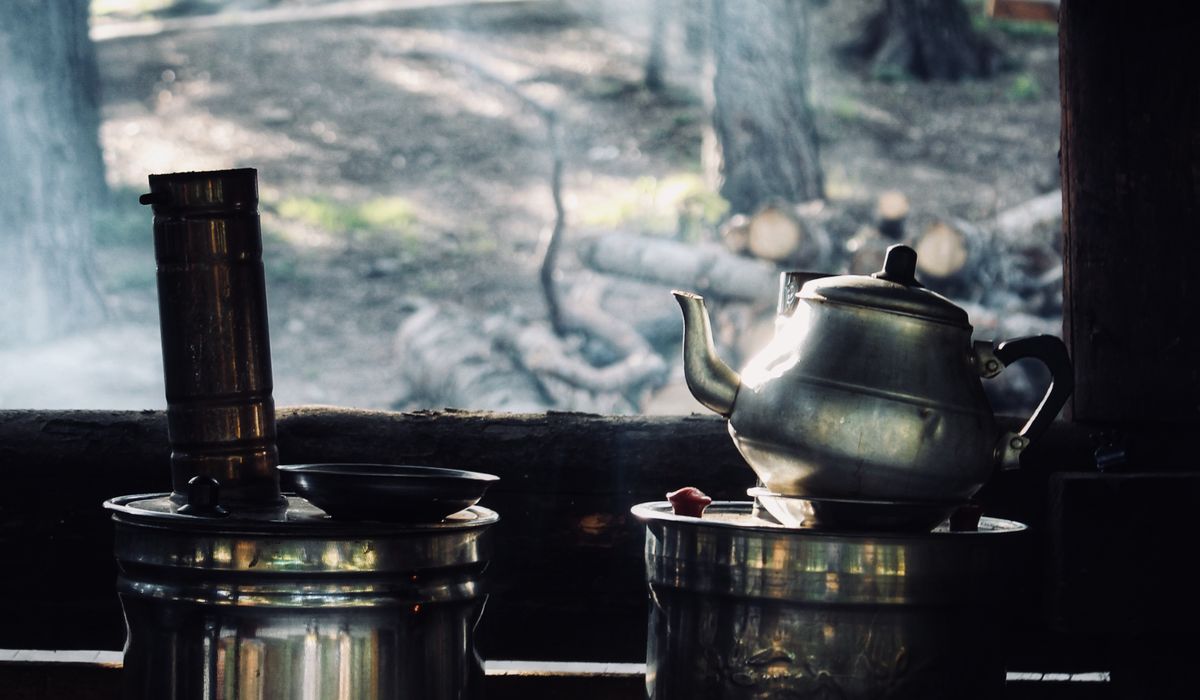
Offer something within ninety seconds of a guest crossing the threshold and everything else relaxes. Keep a well-stocked tea caddy — a proper leaf tea as well as bags — ground coffee in the freezer or a sealed tin, sugar in a bowl, and a carton of long-life milk in the cupboard for the day the fresh runs out. A bottle of elderflower cordial, a lemon, a sprig of mint and plenty of ice will see you through the warm months.
For something stronger, a small decanter of whisky, a bottle of sloe gin and a jar of honey for a hot toddy cover nearly every mood and weather. Serve in proper glasses, use a tray, and put a cloth on the table. Generosity, in the end, is mostly attention: a warm room, an unhurried plate, and the sense that you are glad they came. A well-kept larder simply lets you say yes.




John Doe
14 January, 2022Having no content in post should have adverse..
Chauffina Carr
10 April, 2022We use these tests all time! Killer stuff!
Jim Séchen
16 July, 2022Thanks for all the comments, everyone!