


Why Moorland Weather Rewards a Second Look
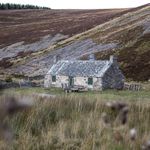
Moorland weather is rarely malicious, but it is often misunderstood. A still, bright morning beside a stone cottage can turn into a wet, wind-battered afternoon on the tops with very little warning. The UK’s maritime climate keeps us guessing, and high ground makes its own rules: air forced up a slope cools, moisture condenses, and cloud can appear from nowhere. That is why a long walk on the moors asks for more than a glance at a phone forecast. It asks you to read the sky, the wind and the land as you go.
The good news is that most of the signs are free. You do not need a weather station in the garden, though a simple barometer in the hall is a lovely thing in a rural home. You need a few minutes at the door, a habit of looking west and south-west, and the willingness to change your plan. The aim is not to become a forecaster. It is to notice when the day is turning, and to be back in the boot room with a brew before the weather wins.
Start With the Sky: Cloud Build-Up
Clouds tell you what the air is doing. High, wispy cirrus streaming across a blue sky often means a warm front is on its way, perhaps twelve to twenty-four hours out. If it thickens into a milky layer and the wind backs, rain is likely. Fair-weather cumulus — flat-based, fluffy, with plenty of blue between — is usually harmless. The trouble starts when those clouds begin to grow upwards.
- Cumulus congestus: cauliflower tops rising through the morning. Showers by afternoon are likely.
- Cumulonimbus: anvil-shaped tops, dark bases and sudden cold gusts. Expect heavy rain, hail, lightning and squalls.
- Lenticular clouds: smooth, lens-shaped clouds over summits. Strong winds aloft and fierce rotors on the lee slopes.
- Mackerel sky: rippled high cloud. Often a sign that change is coming within a day.
Watch for clouds moving in different directions at different heights. That wind shear is a warning. If the summit of your chosen hill wears a cloud cap by mid-morning, the top will be damp, windy and disorientating. Save it for another day.
Read the Wind on the Ground
Wind is the moorland walker’s most honest companion. Before you leave, look at what it is doing: trees, bracken, heather, cotton grass, the smoke from a chimney. On the hill, feel it on your back and cheeks. A backing wind — shifting anticlockwise, perhaps from south-west to south-east — often precedes a front and worsening weather. A veering wind, clockwise, often follows a front and brings clearing. In winter, a backing wind can mean snow.
- Valley winds: anabatic breezes blow upslope in the morning; katabatic breezes drain downslope in the evening.
- Cols and gaps: wind accelerates through these, even when the valley below feels calm.
- Sudden drop: if the wind falls light and the air turns warm and clammy, a thunderstorm may be brewing.
- Sudden gust: a sharp, cold blast from a dark cloud is a squall. Put on waterproofs before it hits.
Take a compass bearing on the wind when you set off. If it shifts thirty or forty degrees within an hour, pay attention. That is the moor telling you the pressure pattern is changing.
Mist, Fog and the Moorland Microclimate
Hill fog is the classic moorland hazard. It forms when moist air is forced up a slope and cools to its dew point. Peat, damp ground and morning dew all add moisture. If the valley is clear but the tops are hazy, or if clouds are touching the higher ground, mist is already forming. In winter, freezing fog can coat paths and rocks in invisible ice. On eastern moors, a sea fret can roll in on a cool breeze within minutes.
Once visibility drops, navigation becomes the whole walk. Do not rely on a phone screen alone. Carry a paper map, a compass and a torch. Use handrails: walls, fences, streams and ridgelines. If you cannot see the next cairn, take a bearing and walk on it. If mist arrives with drizzle and wind, hypothermia is a real risk. A spare warm layer, hat, gloves and an emergency shelter are not luxuries; they are part of the day.
A Practical Pre-Walk Check at the Door
Rural living gives you a front-row seat. Step outside with your tea and run through a short routine. It takes two minutes and it works.
- Barometer: steady or rising suggests settled weather; falling fast means a low is approaching.
- Summit check: clear tops are a good sign. A cloud cap means wind, damp and poor visibility.
- Wind direction and strength: note it, then compare with the forecast. If they disagree, trust what you see.
- Temperature and humidity: fogged windows and a damp chill often mean mist will form on high ground.
- Kit: waterproofs, spare warm layer, hat, gloves, map, compass, torch, food, water and a shelter, even in summer.
A mountain weather forecast is useful, but it cannot see your specific ridge or valley. Local knowledge — the way cloud sits on a particular fell, the wind funnelling through a gap — is what turns a forecast into a plan.
When to Turn Back, and How to Stay Comfortable
Set a turnaround time before you set off, and stick to it. If cloud descends, wind strengthens, rain turns horizontal, or you are moving slower than planned, turn back. Moorland is not the place for pride. If you hear thunder or see an anvil cloud, descend immediately. If mist thickens and you are unsure of your position, retrace your steps. The hill will still be there next week.
Back at home, a boot room or porch earns its keep: wet jackets, muddy boots and damp rucksacks stay out of the living space. A drying room or a warm corner by the range cooker makes the next outing easier. Pour a hot drink, check the barometer again, and note what the sky did. Over a season, you will build a personal picture of your moorland weather — and that is the best forecast of all.




John Doe
14 January, 2022Having no content in post should have adverse..
Chauffina Carr
10 April, 2022We use these tests all time! Killer stuff!
Jim Séchen
16 July, 2022Thanks for all the comments, everyone!