

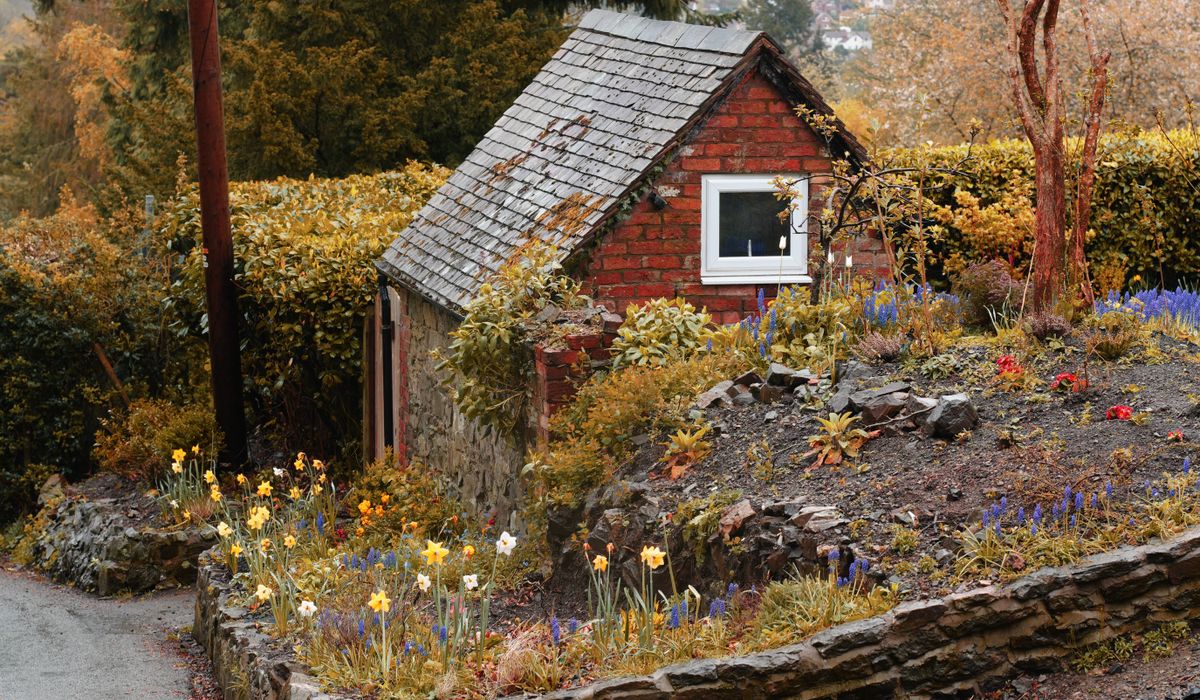
Start with the Weather, Not the Colour Scheme
Moorland rooms are honest rooms. They face wind, sideways rain and light that shifts from bright pewter to deep grey within an afternoon. In that setting, flat surfaces look flat indeed: a plain painted wall, a pale carpet and a smooth sofa can leave a room feeling cool in every sense. Texture is what rescues it. Layer wool, linen and aged timber and you give a room something to catch the light, soften the echoes and warm the eye, even when the sky outside refuses to cooperate.
The trick is not to buy more things. It is to layer materials that age well, sit comfortably together and feel right when the weather turns. Three families of material do most of the work: wool, linen and aged timber. Add stone, slate, rush or willow if you have them, and you have everything a moorland interior needs.
Build from the Floor Up
Floors set the temperature of a room before anything else is noticed. If you have stone flags or slate, resist the urge to cover them entirely. Instead, lay a generous wool rug or two, with a decent underlay beneath, so the cold of the stone stops at the rug's edge. A rug roughly two-thirds the width of the seating area looks intentional; a small one floating in the middle looks like an afterthought.
Where you do want carpet, choose wool over synthetic every time. It holds warmth, wears hard and develops a soft patina rather than going bald in the traffic lanes. Undyed or lightly heathered yarns — oatmeal, fawn, a washed grey-green — hide the mud and grit that rural life brings in on boots, and they sit quietly against whatever you hang on the walls.
Wool: Warmth You Can Actually See
Wool is the workhorse of a moorland home, and it works hardest when you use it at several scales. A chunky knitted throw over the back of a chair, a finer woven blanket folded at the foot of a bed, a tight upholstery wool on a sofa, a sheepskin on a wooden stool: all wool, all different in weight and handle, and together they create depth that a single textile never manages.
- Vary the scale. Pair a thick, loose weave with a tight, fine one so the eye reads two textures rather than one blur.
- Keep the palette narrow. Oatmeal, peat brown, moss, slate and undyed cream will sit happily beside one another for years.
- Choose wool with provenance. Fleeces from hill breeds are coarse, springy and extraordinarily durable — ideal for hall runners and boot-room benches.
- Look after it. Shake rugs outside when you can, rotate them twice a year, and store blankets clean with a few cedar blocks to keep moths at bay.
Linen: Softening Hard Light and Hard Edges
Linen is the counterweight to all that wool. Where wool is dense and matte, linen is fluid and slightly lustrous, and it filters the hard, low sunlight that comes across open moorland in autumn and spring. Unlined linen curtains hung from a simple wooden or iron pole, just touching the floor or pooling by a centimetre or two, will do more for a cold-facing window than any amount of painted panelling.
Linen cushions are the easiest place to start. Choose feather or wool-filled pads rather than stiff foam, mix a few sizes — a large square behind, a smaller rectangle in front — and let the natural slubs and creases show. Linen softens with every wash, so don't be precious about it. Wash at a low temperature, hang it damp and let it dry in the air; the rumple is the point. In a room that already has wool underfoot and timber around it, a little relaxed linen stops everything feeling too worthy.
Aged Timber and the Patina of Place
New timber looks like a showroom. Aged timber looks like it belongs. An old oak table with knife marks in the top, a scrubbed elm stool, reclaimed boards underfoot, a battered chest doing duty as a side table: these pieces carry the grey-silver, honey and deep umber tones that moorland interiors need, and they tie the room to the landscape outside.
Treat old wood gently. A coat of wax or oil once or twice a year is usually all that's required, and it is nearly always better than stripping a piece back to bare perfection. If you are buying new, look for solid timber rather than veneer, and don't be tempted to match every tone. Mixing a pale ash bench with a dark walnut frame and a weathered pine shelf gives a room the same layered depth as mixing wool with linen.
Keeping It All in Balance
Layering only works if the room can breathe. Leave generous gaps of plain wall, bare floor or simple limewash between your textured pieces so each one registers. A stone wall, a wool rug and a linen curtain are enough for one corner; adding sheepskin, tapestry and a carved chest on top of that simply muddles the effect.
Think, too, about how the room is actually used. A boot room can take coarser wool, rush matting and scrubbable surfaces; a sitting room wants the softer end of the same palette. Practical touches — a peg rail for damp coats, a basket for logs, a stone or slate hearth left uncovered — do as much for the atmosphere as any cushion. Get the layers right and a moorland home feels warm on the coldest day, and quietly comfortable even when the mist comes down and the light goes flat.






John Doe
14 January, 2022Having no content in post should have adverse..
Chauffina Carr
10 April, 2022We use these tests all time! Killer stuff!
Jim Séchen
16 July, 2022Thanks for all the comments, everyone!