

Start With the Chimney, Not the Stove
However well your stove is built, it can only perform as well as the flue above it. Soot, tar and creosote accumulate with every fire you light, and once that layer thickens it narrows the flue, weakens the draught and gives any stray spark somewhere to take hold. A chimney fire is a genuinely frightening thing to experience, and almost all of them are preventable.
Book a registered sweep at least once a year, and twice if your stove is the main source of heat or you burn most evenings through the winter. Late summer or early autumn is the ideal slot, so you are ready for the first cold snap rather than queuing for a sweep in November. During the visit, ask them to check the flue for cracks, failed mortar and loose joints, confirm the terminal and cowl are clear of nests and debris, and give the whole system a once-over. Keep the certificate they issue — insurers increasingly ask to see evidence of regular sweeping, and if you ever sell the property it is a reassuring document to pass on.
Homes with a thatched roof, a listed building or a particularly tall or awkward flue may need attention more often. If your sweep advises twice-yearly visits, take the advice.
Burn the Right Wood, Properly Seasoned
Wet wood is the single biggest cause of a stove performing badly. Unseasoned logs waste most of their energy boiling off water instead of heating the room, and the resulting cool, smoky flue gases condense inside the chimney as tar. You will see the symptoms: blackened glass, a sluggish fire, a smoky smell in the room and a flue that needs sweeping far too often.
- Aim for moisture content below 20 per cent. An inexpensive moisture meter takes the guesswork out of it — split a log and test the fresh inner face, not the weathered end.
- Choose dense hardwoods such as ash, oak, beech, birch, hawthorn and sycamore. Ash is the traditional favourite because it seasons quickly and burns well even after a short summer.
- Season it yourself, properly. Stack logs loosely in a criss-cross pattern, off the ground, in a spot with good airflow. Cover the top only, and leave the sides open to the wind. Most hardwood needs a full year; oak is better after two; softwood can be ready in six to nine months.
- Never burn treated, painted or tanalised timber, driftwood, MDF, chipboard or household rubbish. These release toxic fumes, damage the stove and leave corrosive deposits in the flue.
- Buy by volume, not by weight. A loose cubic metre and a stacked cubic metre are very different quantities, so check what you are actually paying for.
Master the Air Controls
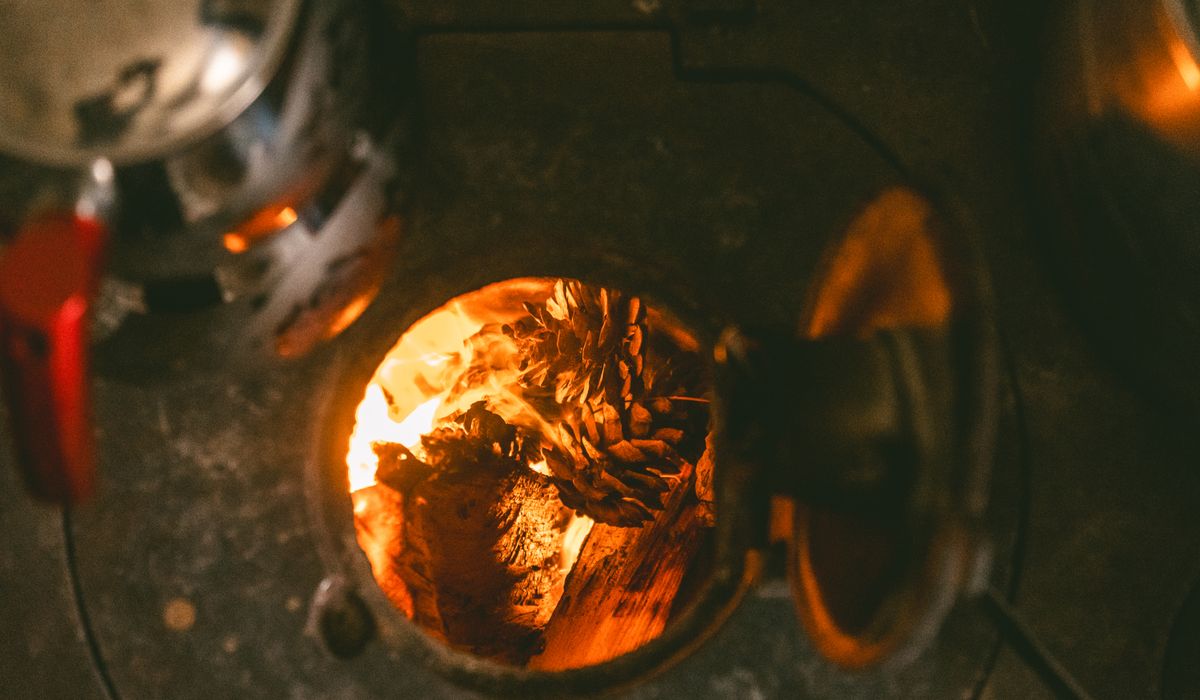
A clean burn comes down to heat, air and timing. Light the fire top-down: a couple of larger split logs at the bottom, kindling above, and a firelighter on top. This gets the flue warm quickly, which establishes the draught you need.
Leave the primary air fully open until the fire is roaring, then close it down and control the burn with the secondary and tertiary air. A stove pipe thermometer is a small investment that pays for itself — flue gases sitting between roughly 150°C and 250°C indicate a clean, efficient burn. Below that, you are making tar. Above it, you are simply sending heat up the chimney.
What you want to see is a bright, lively flame with clear signs of secondary combustion near the baffle. What you do not want is a smouldering, lazy fire, which is what happens when you shut the stove right down to make it last overnight. Slumbering a stove is the fastest way to line a flue with creosote. Burn hot and clean, then let it die naturally.
If you live in a smoke control area, you must use an exempt appliance and an authorised fuel, or burn dry wood in a stove certified for the purpose. Rules have tightened in recent years, so it is worth checking your position.
Keep the Door Seals Doing Their Job
The rope seal around the door is what keeps air entering exactly where it should. When it hardens, flattens or drops out, you lose control of the fire and the stove starts drawing air from the wrong places — usually resulting in a hotter, faster burn on one side and a blackened window.
Test it with the paper trick: close the door on a strip of paper at several points around the frame. If it slides out easily, the seal needs replacing. Rope is inexpensive and replacing it is a straightforward job with the right adhesive, though some stoves need the door removed. While you are there, check the hinges and the handle mechanism. A door that has dropped on its hinges will never seal properly, no matter how new the rope is.
Small Checks, Big Savings
A few minutes of routine attention each month keeps a stove burning cleanly for years. Empty the ash pan regularly but leave a thin bed of ash in the firebox — it insulates the base and helps the fire establish. Check the baffle plate and firebricks for cracks, and replace them before they distort.
Fit a carbon monoxide alarm in the same room as the stove, test it monthly, and make sure the ventilation grille or air brick is never blocked. Clean the glass with a damp cloth dipped in ash, or a proprietary cleaner, and avoid abrasives.
Finally, know what to do if things go wrong. If you hear a low roaring, see smoke or sparks at the chimney terminal, or notice the flue glowing, that is a chimney fire. Close the stove's air controls, get everyone out, and call 999. Do not throw water on it.



John Doe
14 January, 2022Having no content in post should have adverse..
Chauffina Carr
10 April, 2022We use these tests all time! Killer stuff!
Jim Séchen
16 July, 2022Thanks for all the comments, everyone!