

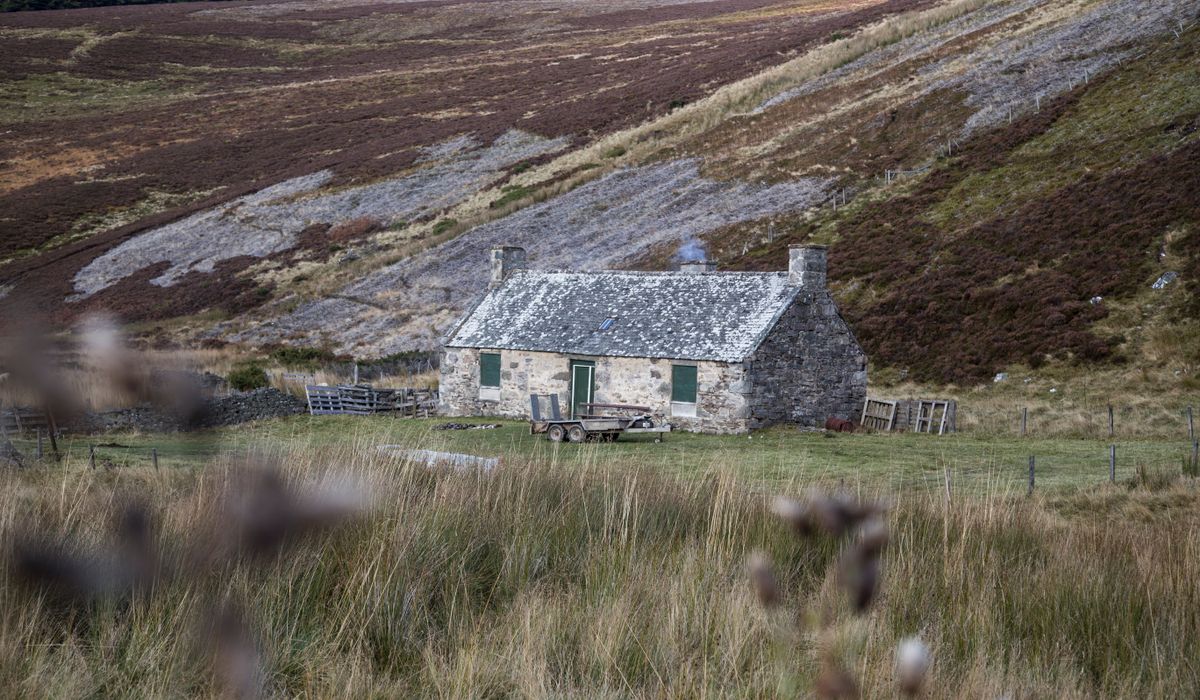
Why Traditional Materials Suit a Stone Cottage
Moorland stone cottages were built to breathe. Their solid walls, often of local gritstone or limestone, rely on the movement of moisture through lime mortar, stone and breathable finishes. When you introduce cement, plastic paints or modern sealants, you trap damp inside the wall. In a rural setting with driving rain and cold winds, that trapped moisture can lead to crumbling stone, rotting timbers and a chilly, unhealthy home. Planning a renovation with traditional materials is not about nostalgia; it is about working with the building rather than against it. The aim is to protect the fabric while improving comfort and energy performance in a way that lasts.
Assess the Cottage Before You Lift a Tool
Every old cottage has its own story, and the first step is a careful survey. Look for areas of cement pointing, which is hard and inflexible, forcing moisture to escape through the stone itself. Check for internal cement render or gypsum plaster, both of which can trap damp. Inspect the roof for slipped or broken slates, and examine gutters and downpipes—moorland rainfall is unforgiving. Inside, note musty smells, damp patches or crumbling plaster. Original features such as stone flags, timber lintels and inglenook fireplaces are clues to how the building was meant to function. A methodical assessment will save you time, money and heartache later.
Lime Mortar: The Backbone of a Breathable Renovation
Lime mortar is the single most important traditional material in a stone cottage renovation. It is softer and more flexible than cement, allowing the wall to move slightly with temperature changes and to release moisture as vapour. For repointing, rake out old cement carefully—ideally by hand or with a low-pressure grinder—to a depth of at least twice the width of the joint. Then use a lime mortar mixed to suit the stone. A typical mix for exposed moorland walls is one part natural hydraulic lime (NHL 3.5) to two and a half parts well-graded sharp sand, though a non-hydraulic lime putty may be better for sheltered areas. Avoid adding cement. Dampen the joints before pointing, and keep the new mortar damp for several days by misting it and covering with hessian. This curing process is essential for strength and breathability.
Reclaimed Slate and Traditional Roofing Details
A stone cottage deserves a roof that matches its character and performs well. Reclaimed slate—ideally Welsh or local stone—is the best choice. It is breathable, long-lasting and visually sympathetic. When buying reclaimed slate, check for thickness and soundness: tap each slate; a clear ring is good, a dull thud means it is delaminating. Sort them by size so you can lay the largest at the eaves and courses graduating to smaller at the ridge. Use copper or stainless-steel nails rather than galvanised ones, which can corrode in moorland conditions. Under the slates, choose a breathable roofing membrane rather than a non-breathable felt. If you are insulating at rafter level, use a vapour-permeable membrane and leave a ventilated air gap above the insulation. This keeps the roof timbers dry and avoids condensation.
Breathable Finishes Inside and Out
Once the structure is sound, choose finishes that let the walls breathe. Outside, lime render or limewash is ideal. Limewash is cheap, easy to apply and allows moisture to evaporate. Inside, avoid vinyl silk and acrylic paints. Instead, use limewash, clay paint or distemper. These are matt, gentle on old walls and available in earthy colours that suit rural interiors. For plaster, use lime plaster rather than gypsum. It is more forgiving, reduces condensation and feels warmer to the touch. Floors can be a mix of stone flags, quarry tiles and reclaimed timber, finished with natural oils or waxes rather than polyurethane. Every choice should allow moisture to move freely.
Improving Comfort and Energy Performance
Traditional materials do not mean ignoring comfort. In fact, they are the foundation for a warmer, drier home. Start with draught-proofing: fit brushes or seals to original doors and windows, but avoid sealing the building too tightly. Old cottages need some ventilation to manage moisture from cooking, bathing and breathing. For insulation, choose breathable options such as wood fibre, hemp or sheep's wool. These can be used in roofs, walls and floors where appropriate. Avoid foam insulation, which traps moisture and can rot timbers. Heating should be steady and gentle—a wood-burning stove, a ground-source heat pump or a well-controlled oil or gas system. Underfloor heating can work well with stone floors if laid in a lime screed. Finally, manage rainwater diligently: clear gutters, repair downpipes and ensure ground levels fall away from the walls. A dry cottage is a comfortable cottage, and traditional materials are your best allies in achieving that.





John Doe
14 January, 2022Having no content in post should have adverse..
Chauffina Carr
10 April, 2022We use these tests all time! Killer stuff!
Jim Séchen
16 July, 2022Thanks for all the comments, everyone!