

Settling In Starts at the Door
The first ten minutes in a holiday let decide how the rest of the stay feels. Guests arrive tired, often after a long drive, juggling bags and children and a phone that has lost signal three miles back. Everything you do to smooth that moment pays for itself many times over in reviews and repeat bookings.
Start with the arrival itself. If the lane is unlit, leave the porch light on and say so in your directions. If parking is tight, describe exactly where to leave the car, ideally with a small diagram. A key safe is fine, but write the code clearly rather than hiding it in an email thread from six weeks ago. Inside, a single sheet on the hall table with the Wi-Fi name and password, your mobile number and a note about the heating saves a dozen anxious messages.
Small physical comforts matter too. Put the heating on an hour before check-in during the colder months, leave a pint of milk and a few teabags in the fridge, and place a torch by the door. These are inexpensive gestures that say someone has been thinking about you.
The Kitchen Should Feel Used, Not Stocked
A well-equipped kitchen is not one with the most items in it. It is one where everything works and the basics are there without a hunt. Guests notice a blunt knife far more than they notice a missing garlic press.
- Two decent knives, a solid chopping board and a sharpener
- A cafetière or a simple filter set-up, plus a teapot
- Salt, pepper, cooking oil, vinegar and a small jar of coffee
- Washing-up liquid, dishcloth, spare bin bags and dishwasher tablets
- Foil, cling film, kitchen roll and a working tin opener
Then resist the urge to fill every cupboard. A mismatched collection of thirty mugs, three broken whisks and a fondue set from 1987 makes the kitchen feel like a jumble sale and leaves nowhere to put the shopping. Keep one good pan set, one baking tray, a casserole dish and a few serving bowls. Label nothing unless it is genuinely confusing. The aim is a kitchen that feels like a friend's, not a showroom.
Instructions That Guests Actually Read
Most welcome folders are too long. A forty-page binder covering every appliance manual, the history of the parish and the recycling schedule in dense paragraphs will be skimmed once, if that. Write one laminated page, in plain English, and keep the rest in a slim folder for anyone who wants it.
Your one-pager should cover the Wi-Fi details, how the heating and hot water work, what to do with rubbish and recycling, the checkout time and anything genuinely unusual. If the shower needs a particular knack, say so plainly. If the back door sticks, mention it before a guest wrestles with it at midnight and assumes they have broken it. Test every instruction yourself, or better still, ask someone who has never stayed to follow it.
Leave your phone number visible and make it clear what counts as an emergency. A guest who feels supported will ring about a real problem rather than puzzling over it for two days and mentioning it in a three-star review.
Beds, Baths and the Comforts That Matter
Guests will forgive a lot, but they will not forgive a bad bed. This is where the money should go. A firm, good-quality mattress, four pillows of different firmness, and a spare blanket or two in the wardrobe cover most needs. Hot water bottles are a lovely touch in an old stone cottage that takes a while to warm through.
In the bathroom, aim for hotel-standard simplicity. Two towels per guest, a bath mat, a hook on the back of every door, and a small tray of basics: hand soap, shower gel, shampoo and a spare loo roll in plain sight. A hairdryer in a drawer, a mirror near a socket and a nightlight in the hall make the difference between a house that works and one that merely looks good.
Blackout curtains or a decent blind are worth every penny in a rural cottage where the sun rises over the moor at half past four in June. So are bedside lamps with warm bulbs and a shelf or small table on each side of the bed, so nobody has to put their glasses on the floor.
Light, Warmth and Quiet
Moorland homes can be dark and draughty, and that is part of their charm, but guests should not have to choose between character and comfort. Use lamps rather than relying on a single overhead light, and fit warm white bulbs rather than harsh cool ones. A dimmer switch in the sitting room costs little and transforms an evening.
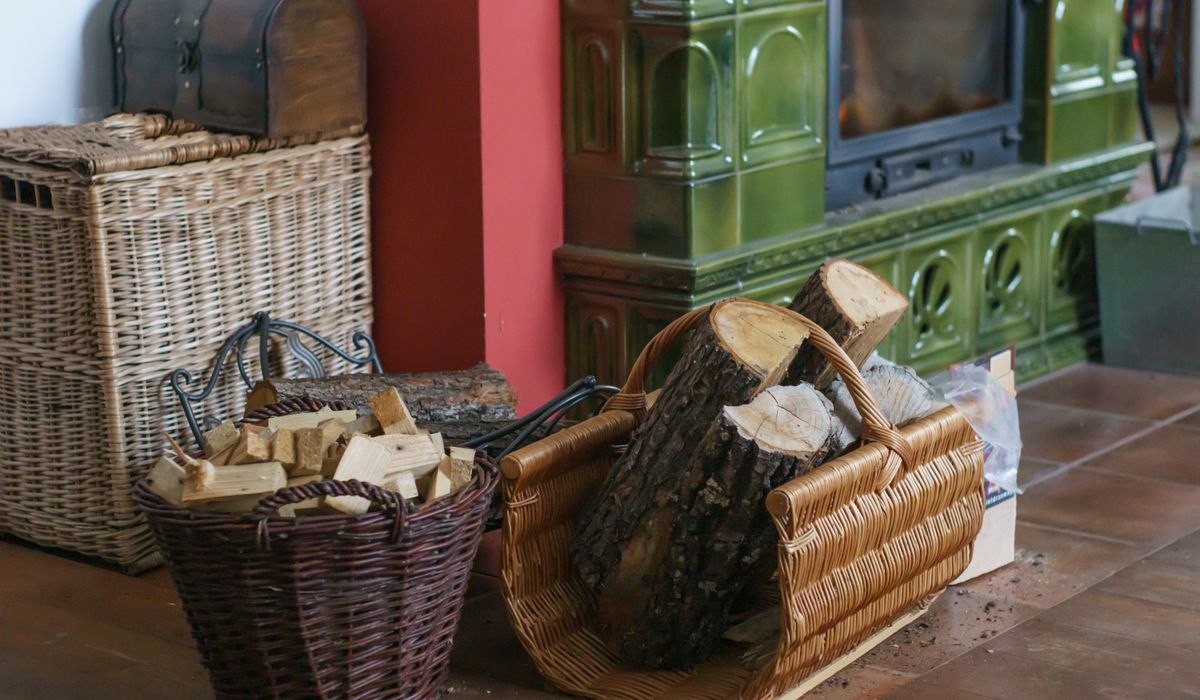
If there is a wood burner or open fire, leave a basket of logs, kindling, firelighters and matches, plus a short note on how to draw the fire. Never assume a guest from a city flat knows how to lay one. Draught excluders at the back door and a couple of extra throws on the sofa make a cold evening feel generous rather than grim.
Finally, think about sound. A small radio or speaker, a shelf of books that are actually readable rather than decorative, and a cupboard of board games and playing cards give guests something to do when the weather closes in. In a quiet valley, a rattling gate or a dripping tap is far more noticeable than it would be in town, so fix the small noises before they become someone's complaint.
Personal Touches Without Clutter
The best holiday lets feel as though somebody lives there, or at least visits often. A handful of well-chosen touches will do more than a house full of ornaments. Fresh flowers from the garden, a handwritten note welcoming guests by name, and a short list of your favourite local walks, pubs and beaches are worth far more than a generic tourist leaflet.
Keep a guest book and read it. Comments about a wobbly chair or a missing corkscrew are free consultancy. Change a few things with the seasons: a bowl of apples in autumn, a jug of daffodils in spring, a box of local biscuits at Christmas.
Above all, leave space. Guests arrive with their own bags, food and habits, and they need somewhere to put them. Clear surfaces invite people to settle in. Cluttered ones make them feel like intruders in someone else's museum. A holiday let works best when it offers comfort generously, explains itself quietly and then steps out of the way.





John Doe
14 January, 2022Having no content in post should have adverse..
Chauffina Carr
10 April, 2022We use these tests all time! Killer stuff!
Jim Séchen
16 July, 2022Thanks for all the comments, everyone!