

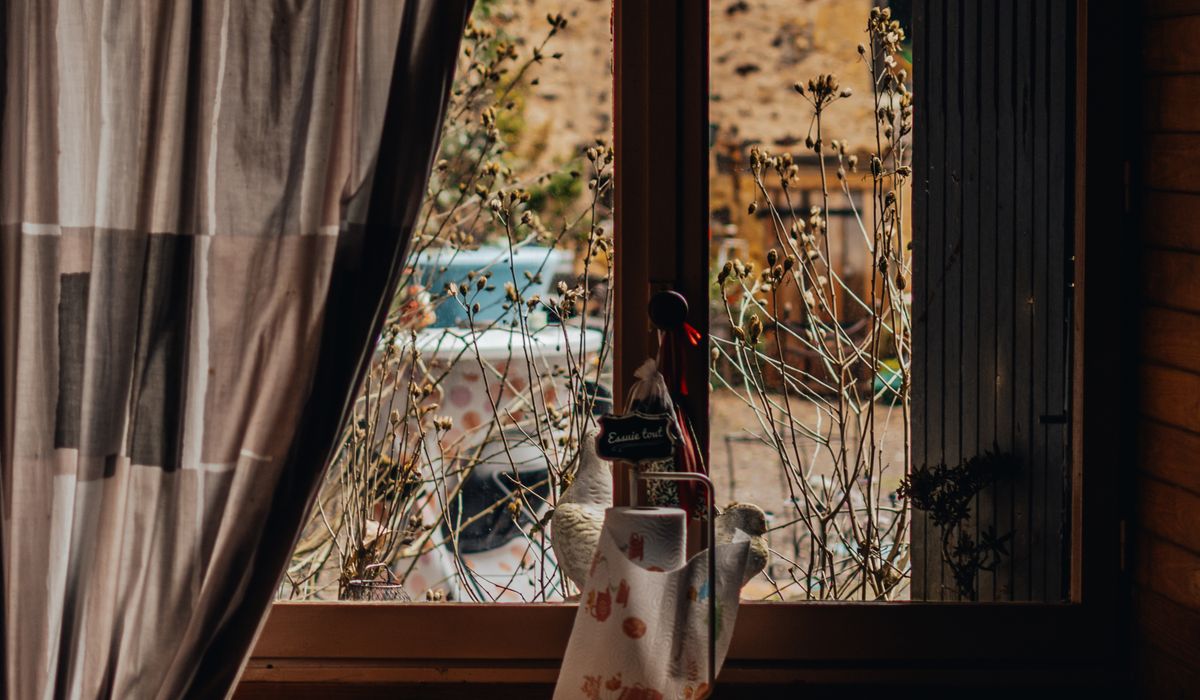
There is something deeply appealing about a moorland farmhouse: thick stone walls, low ceilings, and windows that frame the weather. But restoring one is not simply a case of stripping back and replacing. These buildings were designed to breathe and to move with the seasons. Work with that logic, and you keep the character that drew you here. Fight it with modern shortcuts, and you risk trapped moisture, cracked plaster, and a home that feels damp and cold.
Bringing Exposed Beams Back to Life
Exposed beams are often the first feature people fall for, but they are rarely in good condition under years of paint, plaster, and soot. Assess before you attack. A beam that has sagged or shows active woodworm needs professional attention. For sound beams, clean without erasing history.
- Remove paint with a chemical poultice or gentle heat gun, never a blowtorch.
- Avoid sandblasting, which raises the grain and strips the patina.
- Treat historic woodworm with a breathable, solvent-free product only if active.
- Fill cracks with lime-based filler or matching timber slivers, not rigid epoxy.
- Finish with natural wax or linseed oil, not plastic-like varnish.
Where a beam is structurally compromised, a conservation engineer may specify a discreet flitch plate or sympathetic scarf repair. This keeps the original timber whilst restoring strength.
Laying and Repairing Stone Flags
Stone flags are forgiving if you treat them well. The mistake is to lift them, lay them on concrete, and point them with cement. That traps moisture underneath and forces it into the walls.
- Lift carefully, number them, and store flat on timber battens.
- Clean with a stiff brush and water. Avoid acidic cleaners.
- Re-lay on a lime mortar bed over a breathable sub-base.
- Point with lime mortar, joints slightly recessed.
- Accept unevenness. It is safer underfoot than slick modern tile.
If flags are beyond saving, reclaimed stone will settle in better than new machine-cut paving. Check thickness and colour first.
Restoring Sash Windows Without Losing Heat
Original sash windows are a gift. They can be repaired, draught-proofed, and upgraded to perform far better than most people expect. Replacing them with plastic is almost always a mistake.
- Repair rotten sections with matching timber and joiners' epoxy.
- Overhaul the mechanism: new cords, weights, and pulleys.
- Fit discreet draught seals in staff beads and meeting rails.
- Add slim secondary glazing, or slim double-glazed units if not listed.
- Use linseed oil putty and breathable exterior paint.
For moorland homes, wind-driven rain is the real enemy. Well-maintained sashes with proper seals keep out far more weather than poorly fitted modern windows, without changing the building's face.
Discreet Modern Services for Rural Homes
Modern life demands power, data, and hot water, but a period farmhouse should not look like a server room. Plan services early, before plastering and flooring.
- Run cables and pipes in voids, under floors, and behind deep skirting.
- Use a central hub for broadband, with hardwired data points to key rooms.
- Consider underfloor heating on a limecrete slab, or low-profile radiators.
- Hide extract fans in roof spaces or use inline units with discreet grilles.
- For off-gas homes, an air-source heat pump or biomass boiler works if insulated first.
Always check whether your home is listed or in a conservation area. Even for unlisted period homes, a conversation with the local conservation officer can save months of trouble.
Insulating a Period Farmhouse Sensitively
Insulation is where many restorations go wrong. Solid stone walls need to breathe. Trap moisture with cement render or foil-backed plasterboard, and you create condensation, damp, and decay.
- For roofs, use wood fibre or sheep's wool with a breathable membrane.
- For walls, use lime plaster over wood fibre boards or insulated lime render.
- For floors, a limecrete slab with insulated recycled glass aggregate.
- Draught-proof windows and doors, but allow controlled ventilation.
- Never seal a chimney completely; let it breathe with a ventilated cap.
Insulation works best as part of a whole-house plan. Do the easy wins first: loft, draughts, and windows. Then move to walls and floors. This staged approach keeps the budget manageable and lets you monitor how the building responds.
Restoring a moorland farmhouse is a long game, but one of the most rewarding. Take your time, use traditional materials where they make sense, and bring in modern services only where they can be hidden or beautifully integrated. The result is a home rooted in its landscape, warm in winter, and full of character all year round.





John Doe
14 January, 2022Having no content in post should have adverse..
Chauffina Carr
10 April, 2022We use these tests all time! Killer stuff!
Jim Séchen
16 July, 2022Thanks for all the comments, everyone!