

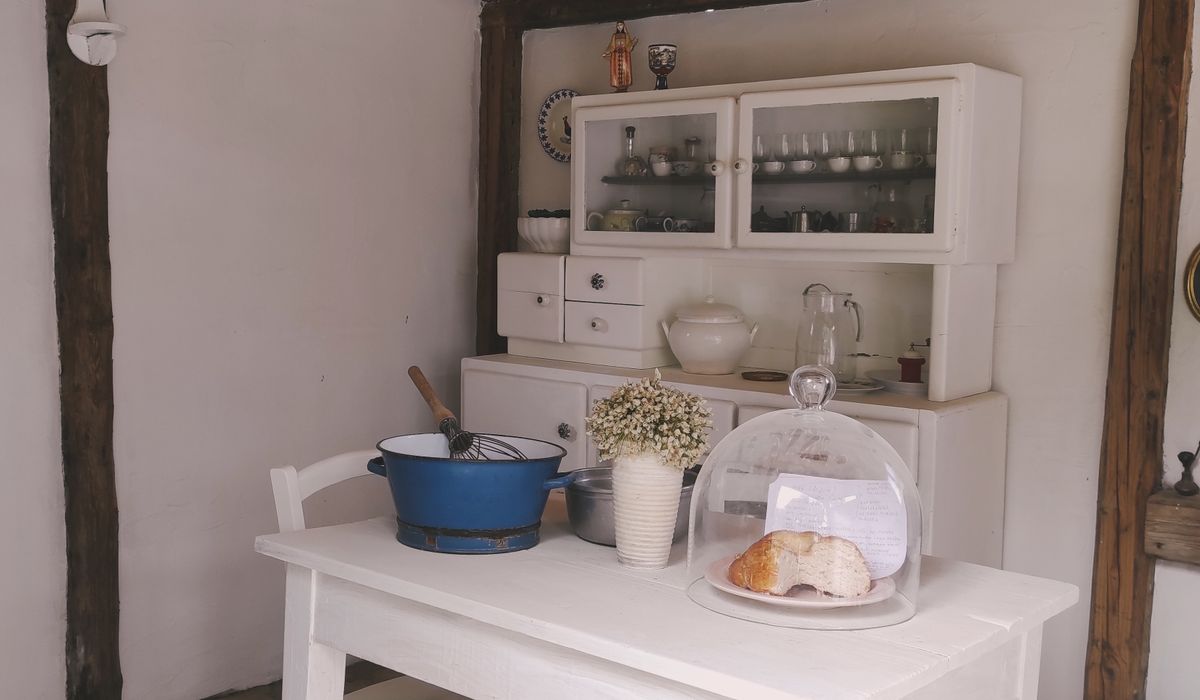
Why Country Homes Need Hard-Wearing Fabrics
There is a particular kind of optimism involved in choosing a pale linen sofa for a house with a boot room. It lasts until the first Saturday in November, when three wet labradors and a husband in muddy wellingtons arrive back from the fields at the same moment. Rural living is not hostile to good interiors, but it is honest about them. Fabrics in a country home have to survive damp coats draped over arms, coal dust, woodsmoke, thorns, and the slow abrasive rub of a dog turning three times before it settles by the fire.
The good news is that the fabrics best suited to this life are also the ones that age most gracefully. Natural fibres with tight constructions, properly finished, will look better in ten years than many synthetic alternatives look in two. The trick is knowing which ones to specify, where, and how to protect them without turning your sitting room into a showroom.
Wool: The Quiet Workhorse
If you choose only one upholstery fibre for a country house, choose wool. It is naturally resilient, holds its shape, resists crushing on seat cushions, and has a slight natural water repellency thanks to the lanolin in the fibre. A spill tends to sit on the surface long enough for you to blot it rather than soak straight in.
Look for tightly woven wool rather than loose, fluffy weaves. A hopsack or a flat herringbone in a mid-weight will outlast a chunky bouclé by a wide margin, because chunky yarns snag on buckles, claws and zip pulls. Heavier wool tweeds, the kind woven for shooting jackets, make superb loose covers and bench cushions.
- Best for: sofas, armchairs, window seats, bench pads in boot rooms.
- Watch out for: moths in stored cushions — clean before putting anything away for the summer.
- Colour tip: mid-tones in oatmeal, moss and slate hide more than either cream or charcoal.
Leather: Better With Age, Not Despite It
Leather is the other great rural survivor. A good aniline or semi-aniline hide takes scratches, absorbs them, and develops a patina that reads as character rather than damage. Dog claws that would shred a woven fabric will mark leather, but those marks soften and blend within weeks.
Be realistic about the finish. Full aniline leather is the most beautiful and the least forgiving — it stains with oil and water. Protected or pigmented leather has a surface coating that wipes clean and shrugs off muddy paws, at the cost of some of the natural suppleness. For a family home with dogs, protected leather on the main sofa is a sensible compromise; keep the aniline hide for a reading chair the dogs are not allowed on.
Condition leather once or twice a year with a neutral balm, and keep it out of direct sun. A south-facing window will dry and fade a hide faster than any amount of use.
Linen and Cotton: Choose Tight Weaves Only
Linen has a reputation for being delicate, which is unfair. The fibre itself is stronger wet than dry, which is exactly what you want in a damp climate. The problem is weave, not fibre. A loose, slubby linen will pull and sag; a tightly woven linen — often sold as a linen union when blended with cotton — is remarkably tough.
Linen union, roughly half linen and half cotton, is the classic British answer for curtains, loose covers and slipcovers. It hangs well, washes at higher temperatures than pure linen, and softens with every launder. If you have a boot room bench, a linen union slipcover you can strip and wash at 40°C is worth more than any stain-resistant treatment.
Plain cotton velvet is a different proposition. It is gorgeous and it shows every mark, every flattened patch and every dog-shaped indentation. Use it on headboards and curtains rather than seating in high-traffic rooms.
Where Each Fabric Belongs
Matching fabric to room matters as much as matching it to the dog. A few practical placements:
- Boot room and utility: wool or linen union loose covers, washed weekly; no fixed upholstery at all if you can help it.
- Main sitting room: protected leather or heavy wool on the sofa; wool or linen union on the armchairs.
- Snug or library: this is the room for aniline leather, velvet cushions and the fabrics you actually love.
- Bedrooms: linen union curtains, wool blankets, cotton bedding — all washable, all comfortable in a draughty house.
- Hallway bench: wool, always. It takes wet coats, cold bottoms and the occasional wet dog without complaint.
The Practical Bits Nobody Tells You
Order a sample and abuse it before you buy. Rub it with a wet tea towel, scratch it with a fingernail, leave it in the sun for a fortnight. If it looks tired after that, it will look exhausted after a winter.
Ask about Martindale rub counts — 20,000 cycles is domestic light use, 25,000 to 30,000 is sensible for family seating, and anything above 40,000 is genuinely hard-wearing. For wool, check the weight: around 400–500gsm is a good domestic upholstery weight.
Invest in loose covers rather than fixed upholstery wherever you can. Being able to strip, wash and refit a cover turns a catastrophe into an afternoon's chore. Buy two sets if the budget allows and rotate them; they will both last longer.
Finally, accept a little wear. A country house that looks untouched is a country house nobody is enjoying. The right fabrics do not resist life — they simply keep up with it, and look better for having tried.



John Doe
14 January, 2022Having no content in post should have adverse..
Chauffina Carr
10 April, 2022We use these tests all time! Killer stuff!
Jim Séchen
16 July, 2022Thanks for all the comments, everyone!