

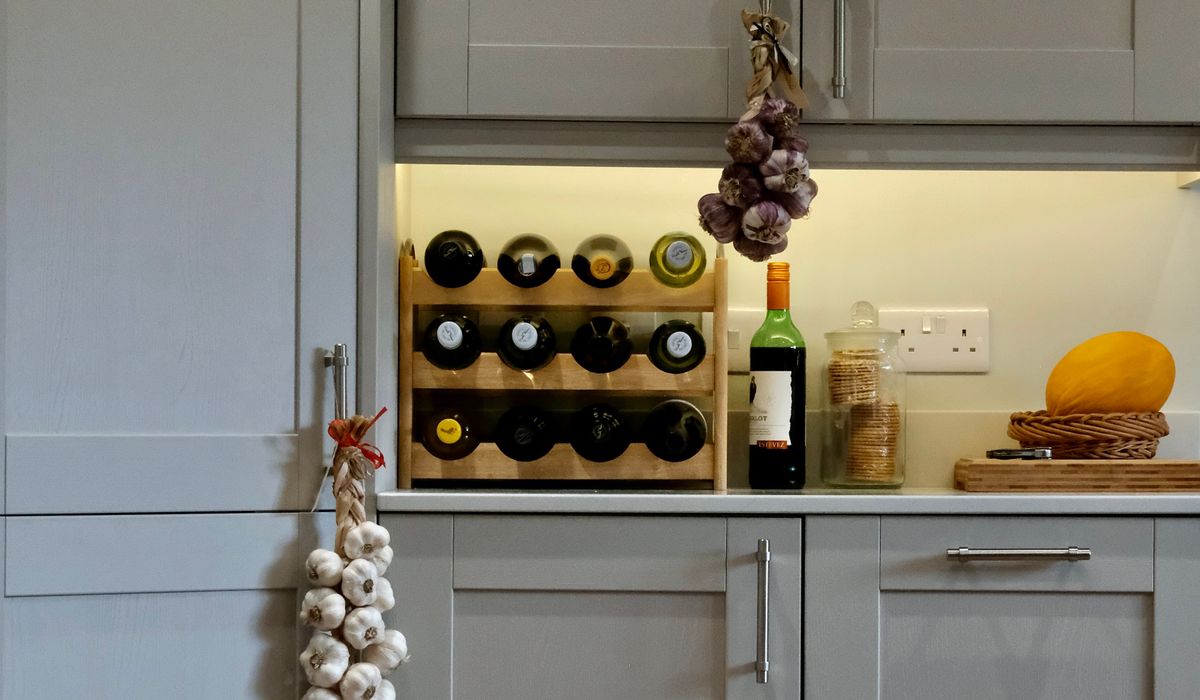
A Kitchen Garden That Works With the Weather
Gardens on high ground rarely behave like the ones in the magazines. Wind strips blossom, frost can arrive in the first week of June, and the soil is often thin, stony and quick to dry at the surface. The compensation is real: fewer aphids, cleaner foliage and long midsummer evenings that push growth on faster than you expect. Plant accordingly. Runner and broad beans, roots, brassicas, hardy herbs and orchard trees all reward you here, while tomatoes, aubergines and peppers are best under glass — and not worth the heartbreak without it. The aim is a plot that crops steadily from June to October and leaves you with stores for the months when the lane is white with frost and the nearest shop is a twenty-minute drive.
Cooking from that plot is less about recipes than about rhythm. You pick what is ready, then decide what to do with it — and the answer is usually simple, because good produce does not need persuading.
Beans: The Backbone of Late Summer
Broad beans come first, from late June into July. Pod them, then blanch the beans for two minutes in well-salted water, plunge them into iced water and slip off the grey skins. It takes ten minutes and transforms them into something sweet and bright green. Toss with mint, olive oil, lemon and a little crumbled feta, or crush them roughly with garlic and a spoonful of double cream and serve on toast.
Runner beans arrive next and crop hardest of all. Top, tail and string them, then slice them diagonally into thick ribbons rather than thin slivers — they hold their texture better. Cook in boiling salted water for four to six minutes, drain and finish with butter and black pepper. French beans need only three minutes. When the glut is on, keep a pan of salted water boiling and blanch in batches for the freezer:
- Runner and French beans: blanch 2 minutes, cool in iced water, dry well, freeze flat in bags.
- Broad beans: pod, blanch 2 minutes, freeze whole without skinning — the skins loosen on reheating.
- Borlotti and climbing beans left for drying: hang the whole plants upside down in a dry shed until the pods rattle, then shell and store in jars.
Roots and the Slow Pot
Roots are the backbone of winter cooking here, and they suffer nothing from being lifted late. Parsnips need a proper frost to sweeten, so leave them in the ground until January if the soil drains. Roast them at 200°C (180°C fan, gas 6) for forty-five minutes with thyme, a drizzle of honey and plenty of fat — the darker the edges, the better.
Beetroot roasts whole in foil at 180°C for anything from an hour to ninety minutes, depending on size. Cool, rub off the skins, and dress while still warm with sherry vinegar, walnut oil and toasted caraway. Carrots are best kept simple: boiled until just tender, then tossed in butter with a pinch of sugar and a squeeze of orange. Store your maincrop carrots, beetroot and swedes in boxes of slightly damp sand in a cool outbuilding, layered so they never touch, and they will see you through to March. Potatoes want darkness, paper sacks and a frost-free corner; check them monthly and remove any that have started to sprout.
Herbs: The Quiet Workhorses
Hardy herbs shrug off moorland weather and should be planted in quantity. Thyme, rosemary, sage, winter savory and bay will crop all year from a sheltered bed by the wall. Soft herbs — parsley, chives, mint, chervil — give you a long season if you cut them hard and often and keep them watered in dry spells.
Two habits make them go further. First, make herb butter: beat 100g of softened butter with three tablespoons of finely chopped leaves, roll in parchment and freeze in discs. A disc dropped onto new potatoes or a roast chicken tastes like summer in February. Second, dry the woody herbs in bunches hung in an airy, dark room, then crumble them into jars. Soft herbs do not dry well; chop them, pack into ice-cube trays, cover with olive oil and freeze for winter stews.
Orchard Fruit and the Glut Months
Apples and plums will give you more than you can eat, which is the point. Deal with windfalls first — stew them with a spoonful of water and a little sugar, then freeze in tubs for crumbles and breakfasts. Firm keepers such as Bramley and Egremont Russet store for months in shallow trays in a cool, dark shed, ideally not touching each other.
Damsons and plums make the best chutney on the moor. For a reliable batch, simmer 1kg of stoned fruit with 500g of soft brown sugar, 300ml of cider vinegar, 200g of chopped onion, a thumb of grated ginger and a teaspoon each of mustard seed and salt for about ninety minutes, until a spoon drawn through leaves a clean channel. Pot into warm sterilised jars. Damson cheese, cooked down further and set in small pots, is even better with a sharp farmhouse cheddar. And when the freezer is full, bottles of spiced apple chutney and jars of plum jam are worth their weight in goodwill at the village door.





John Doe
14 January, 2022Having no content in post should have adverse..
Chauffina Carr
10 April, 2022We use these tests all time! Killer stuff!
Jim Séchen
16 July, 2022Thanks for all the comments, everyone!