

The Doorstep Advantage
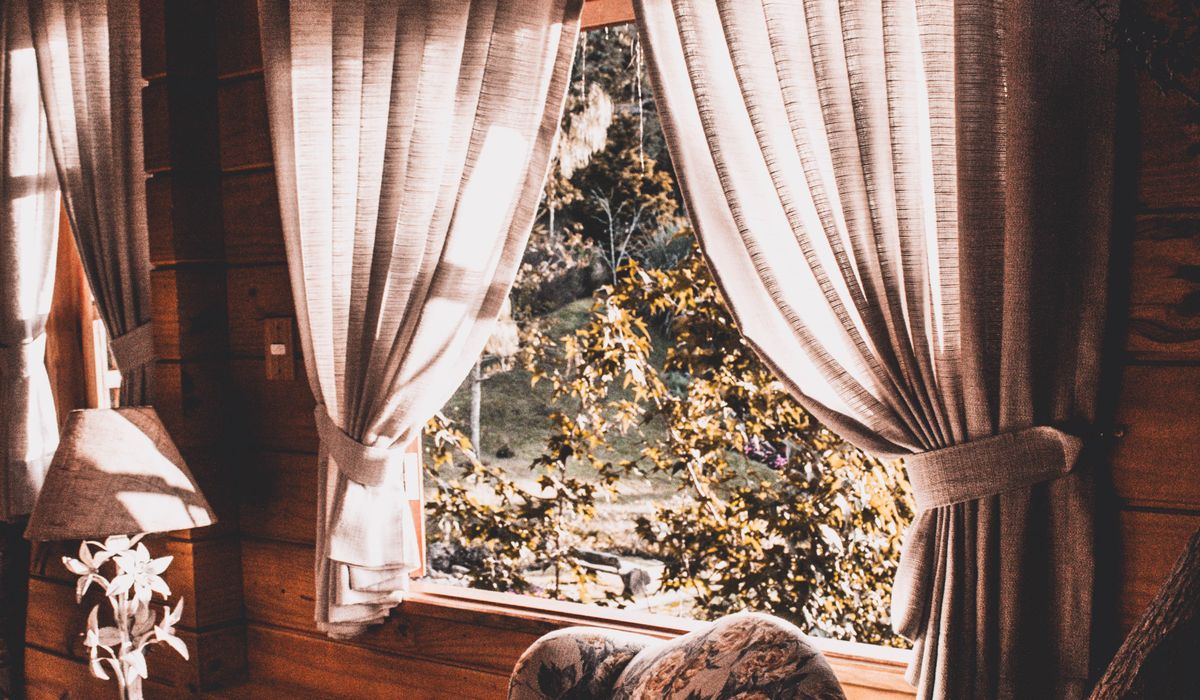
Living in a moorland village means you can pull on your boots, step out of the gate, and be on the open moor within minutes. Yet the word “moor” can conjure images of thigh-deep bog, endless tussocks, and a soggy return. It doesn’t have to. With a little local knowledge, you can find gentle routes that follow old tracks, stay on firm ground, and bring you back to a warm cottage and a pot of tea. The secret is knowing where to look – and what to avoid.
Reading the Ground: How to Spot a Dry Route
Think like the people who walked these hills before you. Farmers, packhorse drivers, and quarrymen needed routes that worked in all weathers. Their legacy is a network of stone causeways, holloways, and gently graded tracks. Look for:
- Contour-hugging paths – routes that stay on the same level rather than plunging into a valley. They avoid the wet flushes at the bottom.
- Gritstone edges and ridge lines – thin soils and exposed rock mean better drainage. A path along a named edge is usually firm underfoot.
- Old packhorse tracks – often marked by worn stone setts or a wide, grassy strip. They link villages to markets and are engineered to avoid bogs.
- Stone causeways – flagstones laid across open moor. They can be slippery when wet but keep you above the mire.
- Bridleways and byways – legally open to horses and usually with a solid base. Check your map for the green or purple dashes.
Avoid any path that drops steeply into a clough or follows a stream. Be wary of “path” in green dashes on the map – it may be a boggy trod. If in doubt, turn back and try a higher line.
Classic Doorstep Routes: Three Gentle Options
Here are three types of route that work from many moorland villages. Adapt them to your own map and local knowledge.
The Edge and Return. Walk out to a gritstone edge, follow it for a mile or two, then turn back the way you came. No navigation drama, no bog, and the views keep changing. This is ideal for a short winter afternoon when the light is low but the ground is firm.
The Old Lane Loop. Find a lane that climbs gently from the village to a moor gate. Follow it to a junction of tracks, then return on a parallel lane. You get a circuit without ever crossing open bog. Look for lanes that serve isolated farms or old quarries – they are often surfaced with crushed stone and drain well.
The Reservoir Circuit. Many moorland reservoirs have a permissive path around the water. These paths are usually well drained and offer easy walking with plenty of benches. The return is flat or downhill to the village. Check for any seasonal closures before you set out.
For each route, set a time limit and stick to it. Moorland weather turns quickly, and a gentle walk can become a soggy slog if you push too far.
What to Carry (and What to Leave Behind)
You don’t need expedition kit for a doorstep walk, but a few things make a real difference.
- Waterproof boots with ankle support – even dry paths have wet patches. Trainers will soak through.
- A 1:25,000 map and compass – phone batteries die in the cold. Know how to use them.
- Water and a snack – a flask of tea is optional but excellent.
- A lightweight sit mat – for a rest on a stone or a dry tussock.
- Leave behind – jeans (they stay wet), a heavy rucksack, and any expectation of perfectly dry boots.
Tell someone your route and expected return time. Even a short walk can go wrong if you turn an ankle on a hidden stone.
The Return: Cottage, Kettle, and Muddy Boots
The best part of a doorstep walk is the end. You come back to a warm cottage, a crackling fire, and a pot of tea. Practical touches make this ritual even better.
- A boot tray by the door – keeps mud off the flagstones.
- A drying rack or heated boot warmer – nothing worse than cold, damp boots the next day.
- A kettle that’s already filled – so you can put it on the moment you step in.
- A tin of shortbread or fruit cake – you’ve earned it.
If you have a dog, a towel by the door saves the sofa. And if you have a neighbour who walks the same routes, compare notes. Local knowledge is the best guide to which paths are dry this week.
A Note on Seasons and Safety
Moorland walking changes with the seasons. In summer, the ground is drier but bracken can hide the path. In winter, short days and sudden mist demand a backup plan. Always check the mountain weather forecast before setting out. If the cloud is down to the valley, choose a low-level lane instead.
Respect closures for ground-nesting birds between March and July. Stick to the path, close gates, and take your litter home. These small courtesies keep access open for everyone.
With a little care, you can enjoy the moor from your doorstep all year round. No car, no crowds, no bog – just a gentle walk, a warm cottage, and a pot of tea waiting. That’s rural living at its best.



John Doe
14 January, 2022Having no content in post should have adverse..
Chauffina Carr
10 April, 2022We use these tests all time! Killer stuff!
Jim Séchen
16 July, 2022Thanks for all the comments, everyone!